SINAFRICANEWS.ORG

Yaounde
CAMEROON
bIlingual
NEWS
By SinAfricaNews September 14, 2026 0 Comments
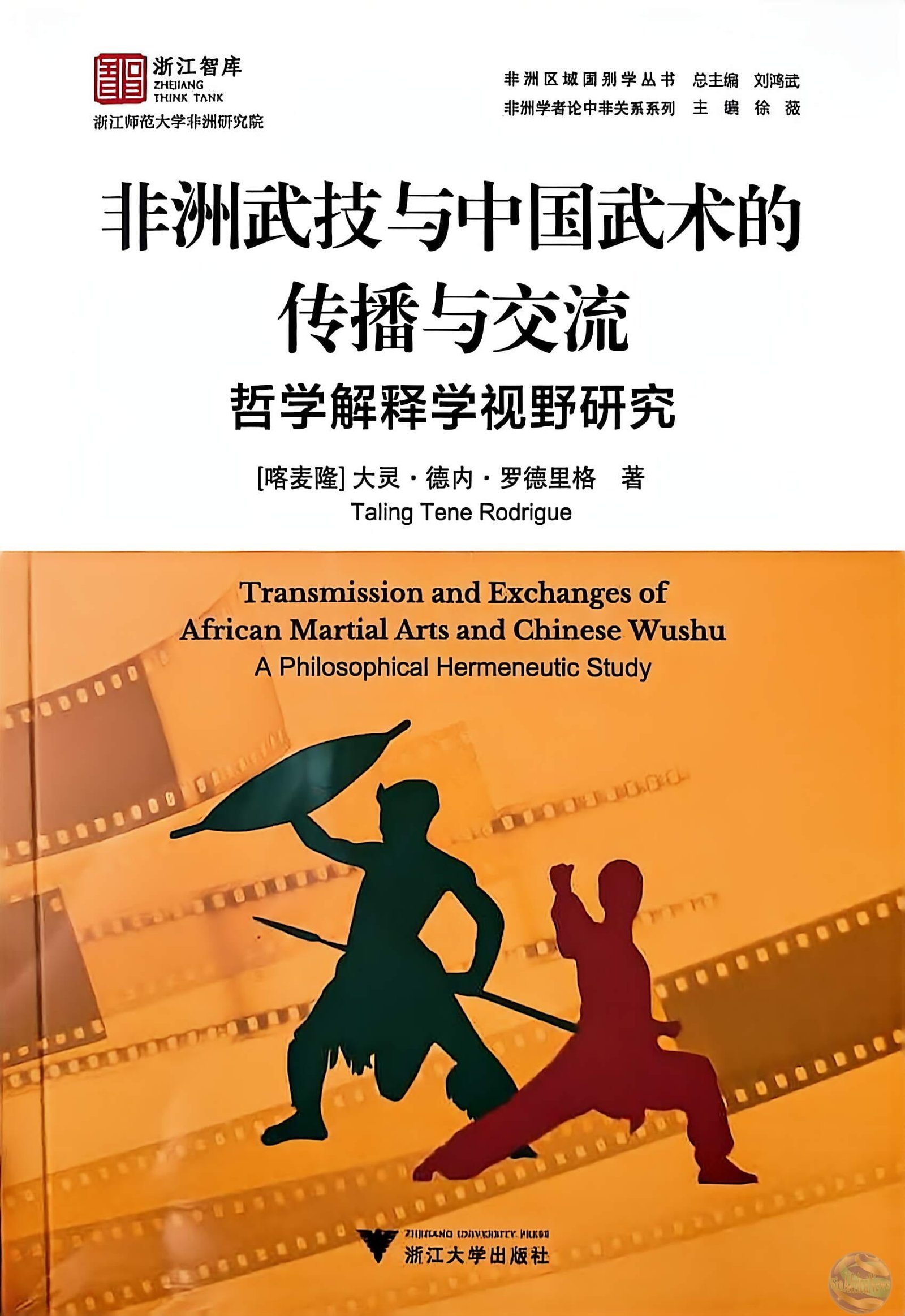
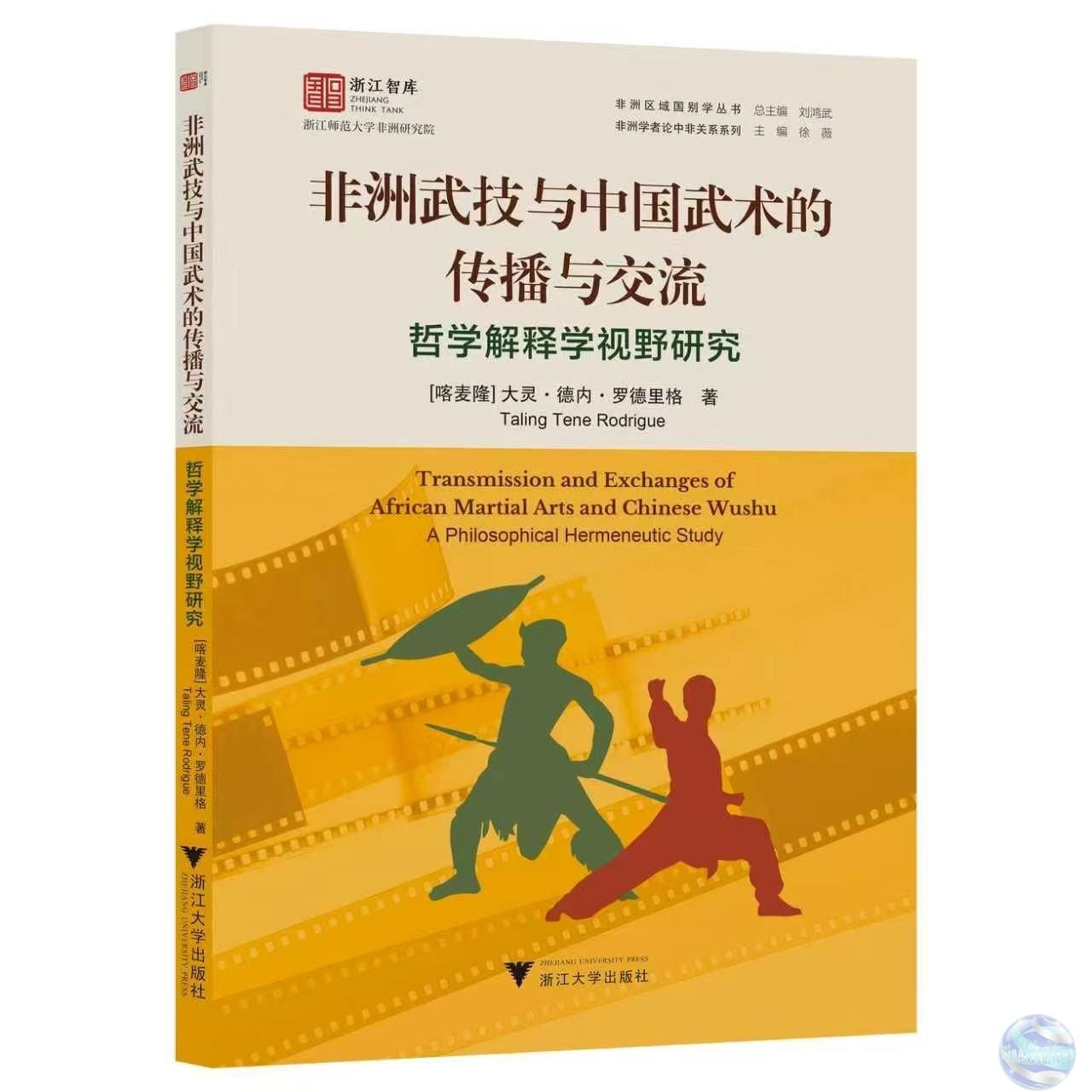
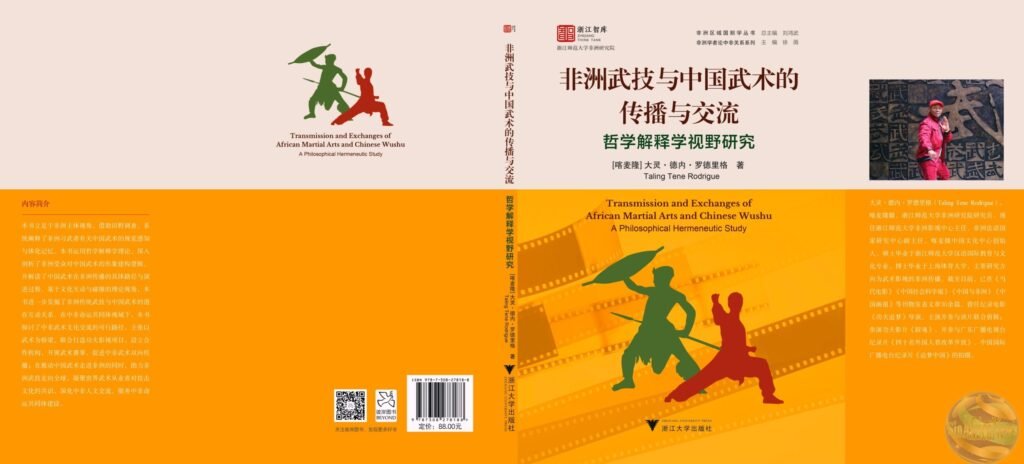
What changes | What the book brings |
The author | An African scholar writes directly in Chinese, without a translator. Africa is no longer narrated by proxy. |
The method | Philosophical hermeneutics replaces the classic models of communication studies. The one-way transfer ends: sender and receiver answer each other. |
The comparison | For the first time, African martial arts are treated as a civilisation in their own right, with their own philosophy, facing Chinese wushu. |
The subject | The book asks a rarely asked question: why is research on African martial arts so scarce? And it looks for the historical causes. |
The sources | Archives, knowledge archaeology, oral history, participant observation, and twenty years of martial and cinematic practice lived by the author. |
The intended reader | A book written for Chinese readers, entering African culture through the door of wushu, the one they know best. |
From theory to the field | Two ideas that became reality: the documentary Kung Fu Dream and the China-Cameroon Cultural Centre. |
Introduction
Origins and aims of the book 001
Approach and framework of the book 002
Chapter I Unpacking the notions of “African martial arts” and “Chinese wushu” 007
The origins of the two China-Africa “martial arts” 008
(1) Defining the notion of “Martial Arts”
(2) The notion of “African martial arts”
(3) The notion of “Chinese wushu”
Features and cultural content of Chinese wushu 011
(1) Features
Knowledge archaeology of the character “武 wu”
The integration of “击 striking / 打 fighting” and “演 performing / 舞 dancing”
Martial ethics (武德 wude)
Health cultivation (养生 yangsheng)
(2) Content
Wushu and the theory of yin and yang
Wushu and the theory of the five elements
Wushu and Taoism
Wushu and Confucianism
Wushu and Buddhism
Features and content of “African martial arts” 027
(1) Knowledge archaeology of “African martial arts”
(2) The integration of “combat – spirituality – dance”
“Combat” as the art of engaging force
“Spirituality” as the fighter’s spiritual ritual
“Dance” as the art of performance
Interpreted cases of “combat – spirituality – dance” in African martial arts
(3) African martial arts and the animal world
(4) African martial arts and traditional initiation rites
Similarities and differences between Chinese wushu and African martial arts 045
Partial conclusion 046
Chapter II China-Africa cultural exchanges in the new era: the diplomatic role of martial arts 048
The intercultural communication capacity of wushu 049
(1) Wushu, a language of the body
(2) The spirit of wushu
(3) The appeal of martial arts films
The martial responsibility of the China-Africa community with a shared future 052
(1) The context of China-Africa cultural exchanges
(2) Wushu beyond China’s borders: a “knowledge for oneself”
(3) Chinese wushu entering Africa must adapt to local ways
Historical background to the survival and development difficulties of “African martial arts” 058
(1) Reasons rooted in African history
(2) The controversy over the “civilisation of ancient Egypt”
(3) The scarcity of ancient African scripts
(4) The scarcity of African classical works
(5) The research deficit on “African martial arts”
Opportunities and challenges for the joint flourishing of the two China-Africa martial arts in the “global village” 066
(1) China-Africa martial exchanges remain at an embryonic stage
(2) The possibility of spreading “African martial arts” in China
(3) The Belt and Road Initiative: new opportunities for China-Africa martial cooperation
The “Sino-African Kungfu Movies” project
The “China-Cameroon Cultural Centre” plan
Partial conclusion
Chapter III The spread of Chinese wushu in Africa in the light of philosophical hermeneutics 073
The deadlocks of interpretation in intercultural communication 074
(1) The perspective of philosophical hermeneutics
(2) Philosophical hermeneutics and intercultural communication
Philosophical hermeneutics and the spread of wushu 076
The absence of a hermeneutic perspective in the international spread of wushu 079
(1) In China
(2) In Africa
(3) In other regions
“Object”, “vehicle” and “subject” in the spread of Chinese wushu in Africa 082
(1) The “object”
(2) The “vehicle”
(3) The “subject”
Cross-linguistic interpretation of the “object”, the “vehicle” and the “subject” 084
“Visual memory” and “bodily memory”: the two memories of wushu taking root in Africa 085
(1) Defining the notions of “visual memory” and “bodily memory”
(2) Interpreting the “visual memory” of wushu among African audiences
(3) Interpreting the “bodily memory” of wushu among African audiences
Partial conclusion
Chapter IV The path of Chinese martial arts cinema in Africa 089
Before the 1970s: foundations already laid for China-Africa audiovisual exchanges 090
After the 1970s: the glorious legend of Chinese kung fu films in Africa 091
(1) Early phase (1970s): Bruce Lee as the emblematic figure
(2) Middle phase (1980s-1990s): Jackie Chan and Jet Li as emblematic figures
(3) Later phase (after 2000): Donnie Yen as the emblematic figure
The current state of Chinese martial arts cinema in Africa 097
Partial conclusion
Chapter V A historical genealogy of wushu teaching in Africa 099
The “Chinese martial soul” enters Africa: the case of Cameroon 100
Content and channels of wushu transmission in Africa 103
(1) Demonstrations by Chinese masters based in Africa
(2) The promotional role of local African masters
Partial conclusion
Chapter VI Chinese kung fu: the martial visual memory of African audiences 114
Kung fu stars shape several “Chinese kung fu” in the eyes of African viewers 115
(1) “Bruce Lee” defines the notion of “Kung Fu” in African audiences’ representations
(2) “Jackie Chan” shapes “comic kung fu” in the eyes of African audiences
(3) “Jet Li” shapes “mythological kung fu” in the eyes of African audiences
(4) “Donnie Yen” shapes “kung fu of virtue” in the eyes of African audiences
From kung fu fan to kung fu star: the “kung fu dream” of African cinemagoers 124
(1) The African kung fu star: Luc Bendza
(2) The African Bruce Lee: Shi Yanmai
(3) The author: Dr Taling T. Rodrigue
Cinema’s “Chinese kung fu” within the cultural horizon of African martial arts 131
(1) From screen to tradition: African audiences’ interpretation of “Kung Fu”
(2) The African discourse of “bodily memory” in kung fu films
Partial conclusion
Chapter VII Grasping Chinese wushu through the “techniques of the body” of African martial arts 138
The notion of “techniques of the body” in African martial arts 139
(1) Defining the notion of “techniques of the body” (after the philosopher Michel Foucault)
(2) The culture of the body in Africa
Experiencing wushu techniques among practitioners with no local martial background 143
Experiencing wushu techniques among practitioners with a local martial background 144
(1) Understanding the “qigong” of Chinese wushu through the African culture of “spirituality”
(2) Understanding the “striking / fighting” of Chinese wushu through African “combat”
(3) Understanding the “forms” (taolu) of Chinese wushu through African “dance”
Partial conclusion
Chapter VIII Proposals for the coexistence and joint flourishing of the two China-Africa “martial arts” 162
Synthesis of the book 162
(1) African martial arts: the prior knowledge that allows Africans to understand Chinese wushu
(2) Chinese kung fu: how African audiences perceive the image of China
Proposals 164
(1) “Intercultural communication” as a “circle of interpretation”
(2) “Localisation” as the precondition of “internationalisation”
(3) “Give others what they desire, not what you desire”
(4) Making Sino-African kung fu film a bridge for China-Africa cultural exchanges in the new era
Afterword 169


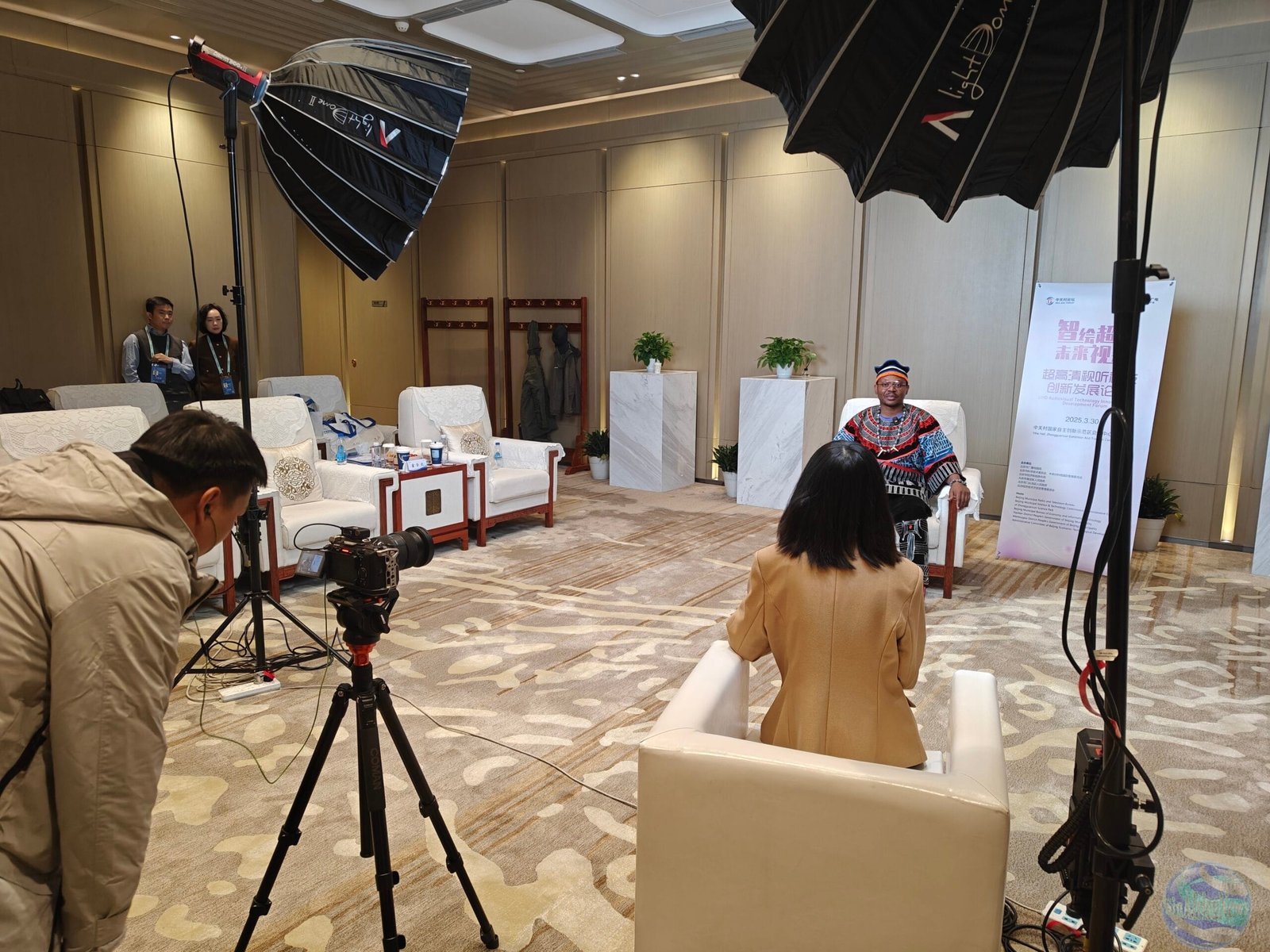
Director of the Centre for African Film and TV Studies, Institute of African Studies, Zhejiang Normal University.
Email: dr@dr-taling.com
Blog: www.dr-taling.com

Join our global community of readers who seek to understand the evolving dynamics between China & Africa. Let's see the world from the Global South's perspective.
SINAFRICANEWS 2026 © All Rights Reserved. Design & Developed by VW Themes
You must LOG IN first!
Javascript not detected. Javascript required for this site to function. Please enable it in your browser settings and refresh this page.