Africa Reclaims Its True Place on the World Map

Africa Reclaims Its True Place on the World Map

By SinAfricaNews September 12, 2026 0 Comments

Share the Joy:

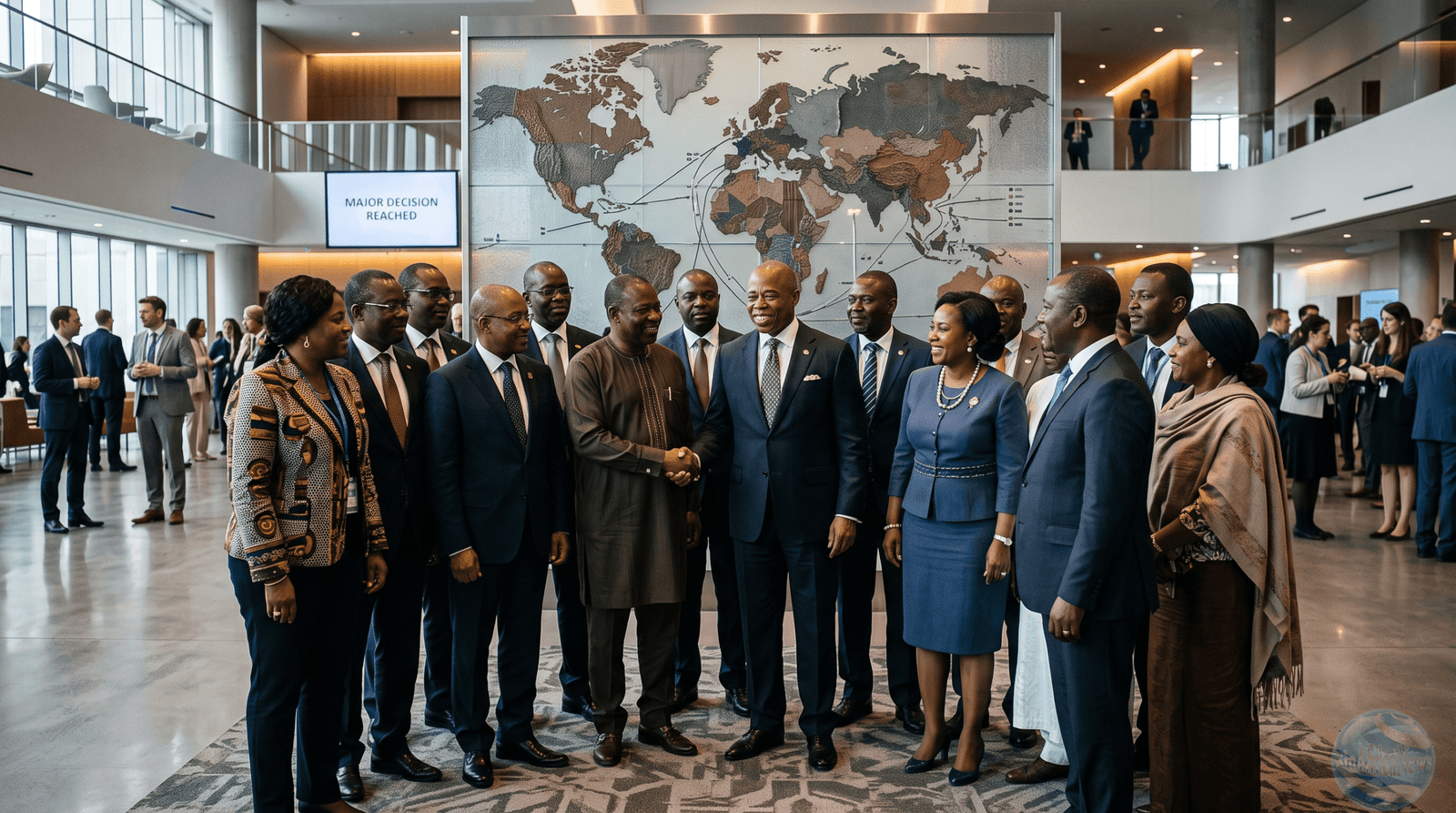
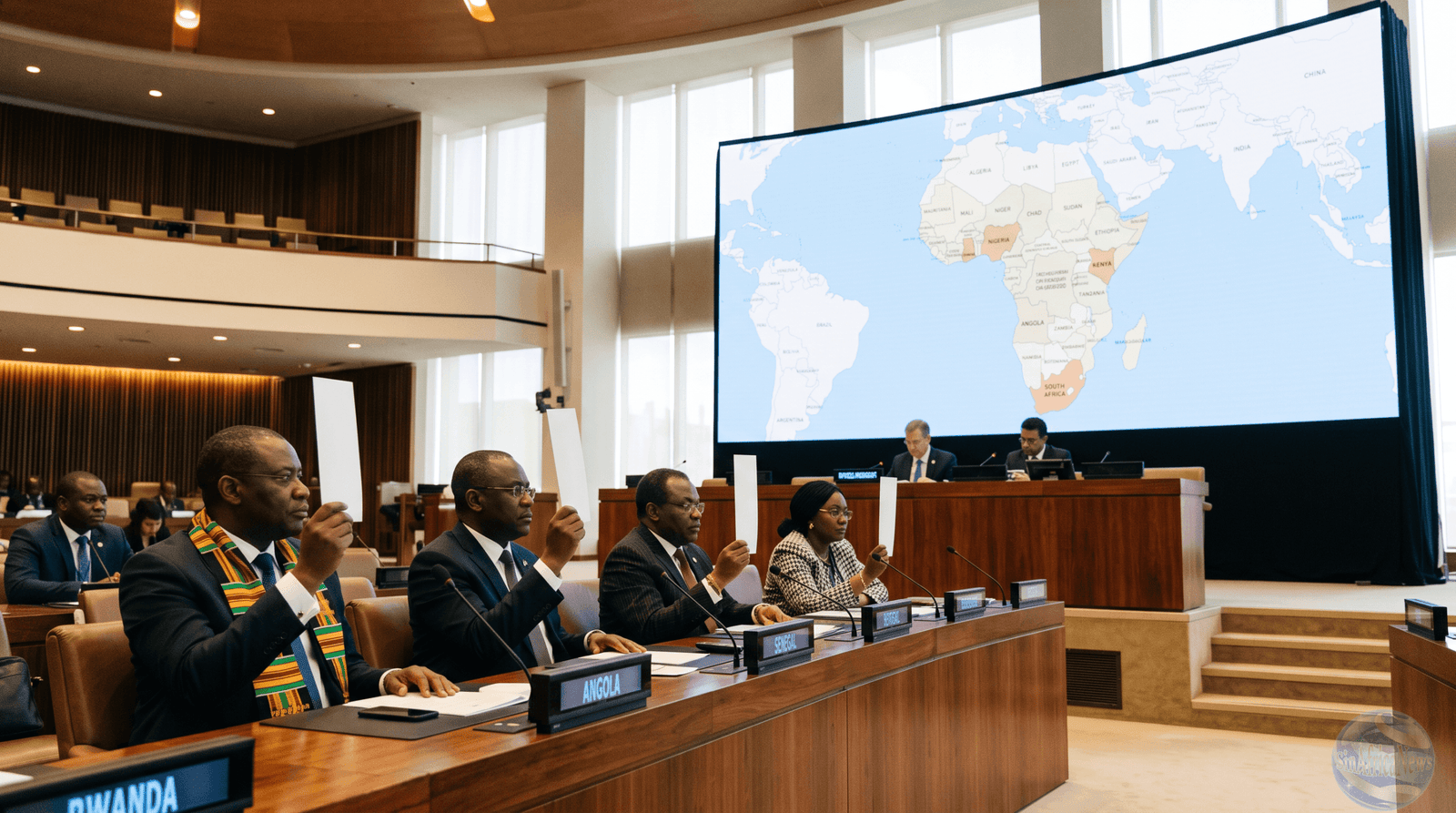
There are moments in history when a seemingly simple institutional decision carries the weight of centuries. The recent vote at the United Nations General Assembly is one of those moments. By 164 votes to 1, UN member states endorsed a resolution encouraging the use of map projections that reflect the true size of continents more accurately, in place of the old Mercator projection that has long distorted Africa’s scale. That initiative emerged from an African-led campaign, supported by African Union member states, to correct a visual injustice that has shaped global imagination for generations.
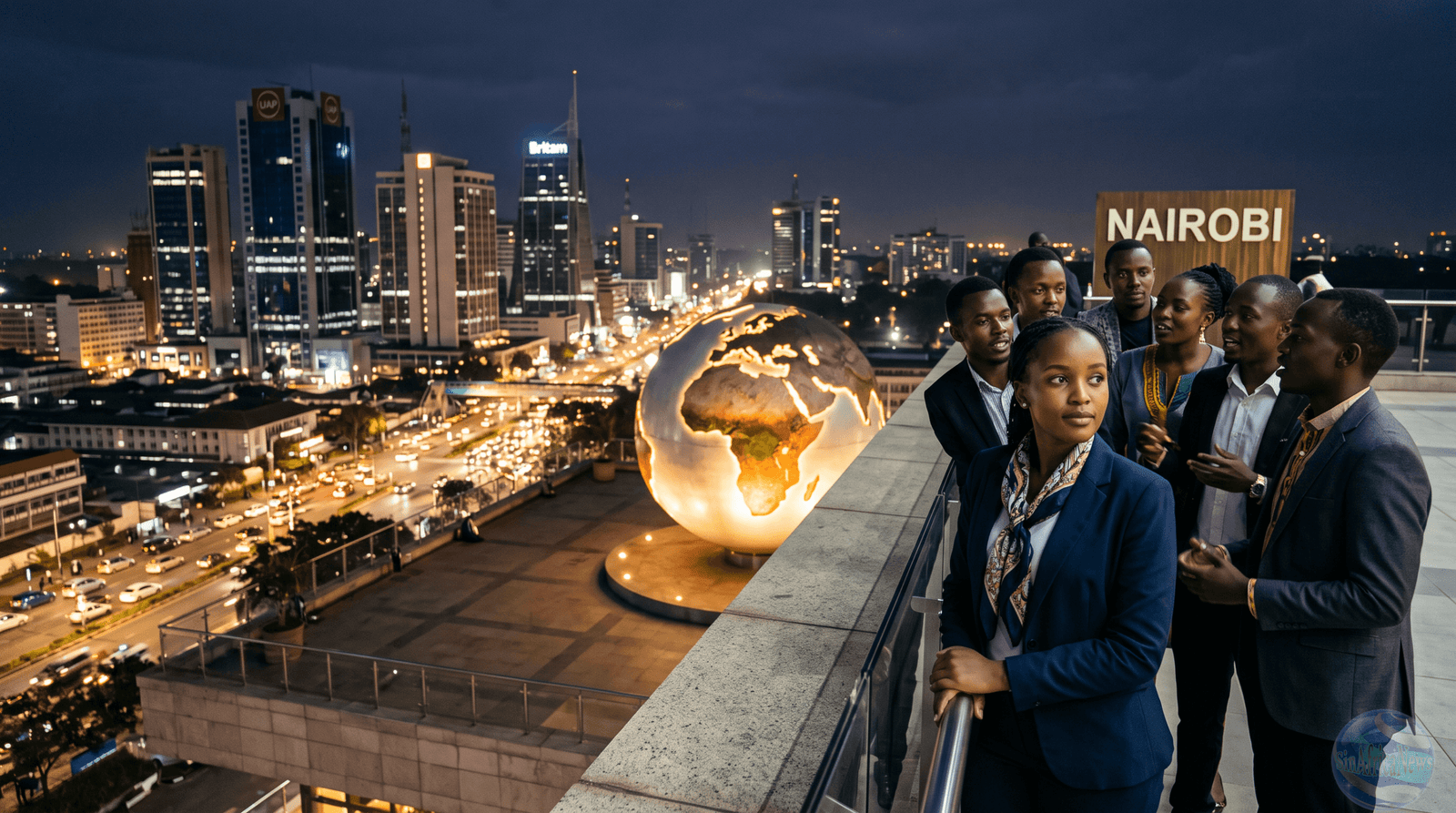
This is not a trivial cartographic adjustment. It is an intellectual, moral and geopolitical correction.
For too long, Africa has not only been exploited in material terms; it has also been diminished symbolically. The Mercator map, born in the 16th century and still widely used around the world, made Africa appear far smaller than it truly is. A continent of vast civilizations, immense resources, youthful energy and strategic importance was visually reduced on the walls of classrooms, diplomatic offices, media studios and policy institutions. What the world repeatedly saw was not Africa as it is, but Africa as history’s unequal order wanted it to appear: smaller, secondary, and easier to ignore.
That is why this UN vote matters profoundly. It is a recognition that the politics of representation are inseparable from the politics of power. To redraw the map more fairly is also to challenge the old hierarchies that placed Africa at the margins of global consciousness. It is to say that truth matters, and that Africa’s place in the world can no longer be defined by colonial distortions, whether territorial, epistemic or diplomatic.
As an African scholar, I welcome this move with deep conviction. I see it as part of a broader historical transition already underway: the rise of Africa, the consolidation of the Global South, and the emergence of a more multilateral international order. The era in which Africa was spoken about but rarely listened to is gradually giving way to an era in which African countries are speaking for themselves, organizing collectively, and shaping the agenda of the world.
This vote is, therefore, more than a correction of geography. It is proof of Africa’s growing status. It confirms the political maturity of a continent that is no longer content to be a passive object in global affairs. Africa today is asserting itself in diplomacy, in trade, in demography, in culture, in security debates, in energy transitions, and in the moral conversation about international justice. The world is beginning, however reluctantly in some quarters, to acknowledge what Africans have always known: that Africa is not peripheral to the future; Africa is central to it.
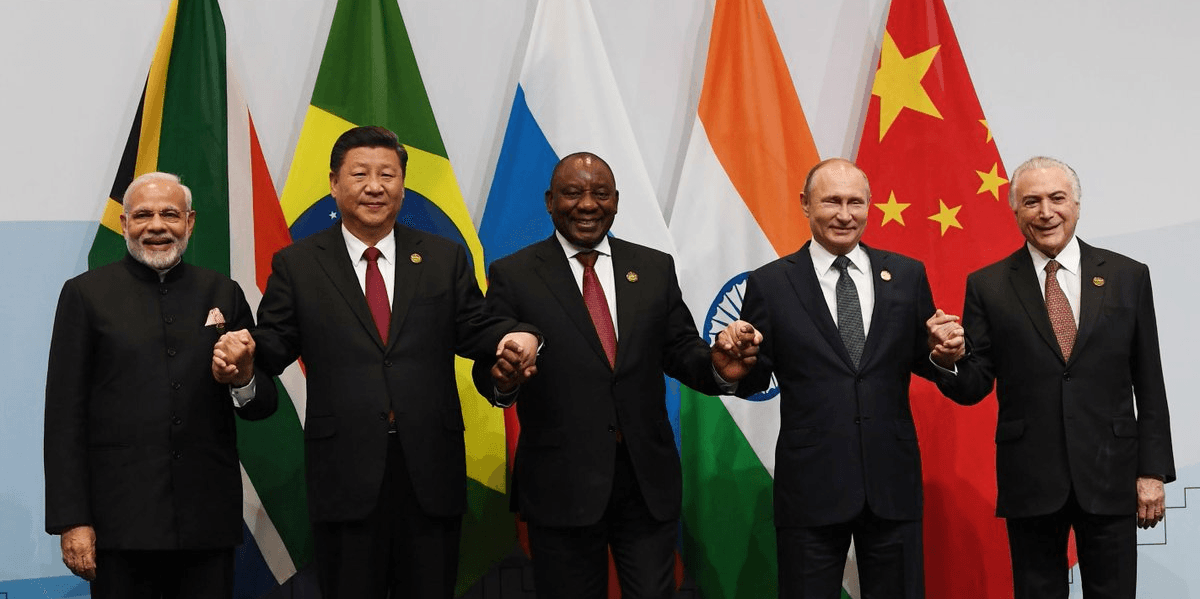
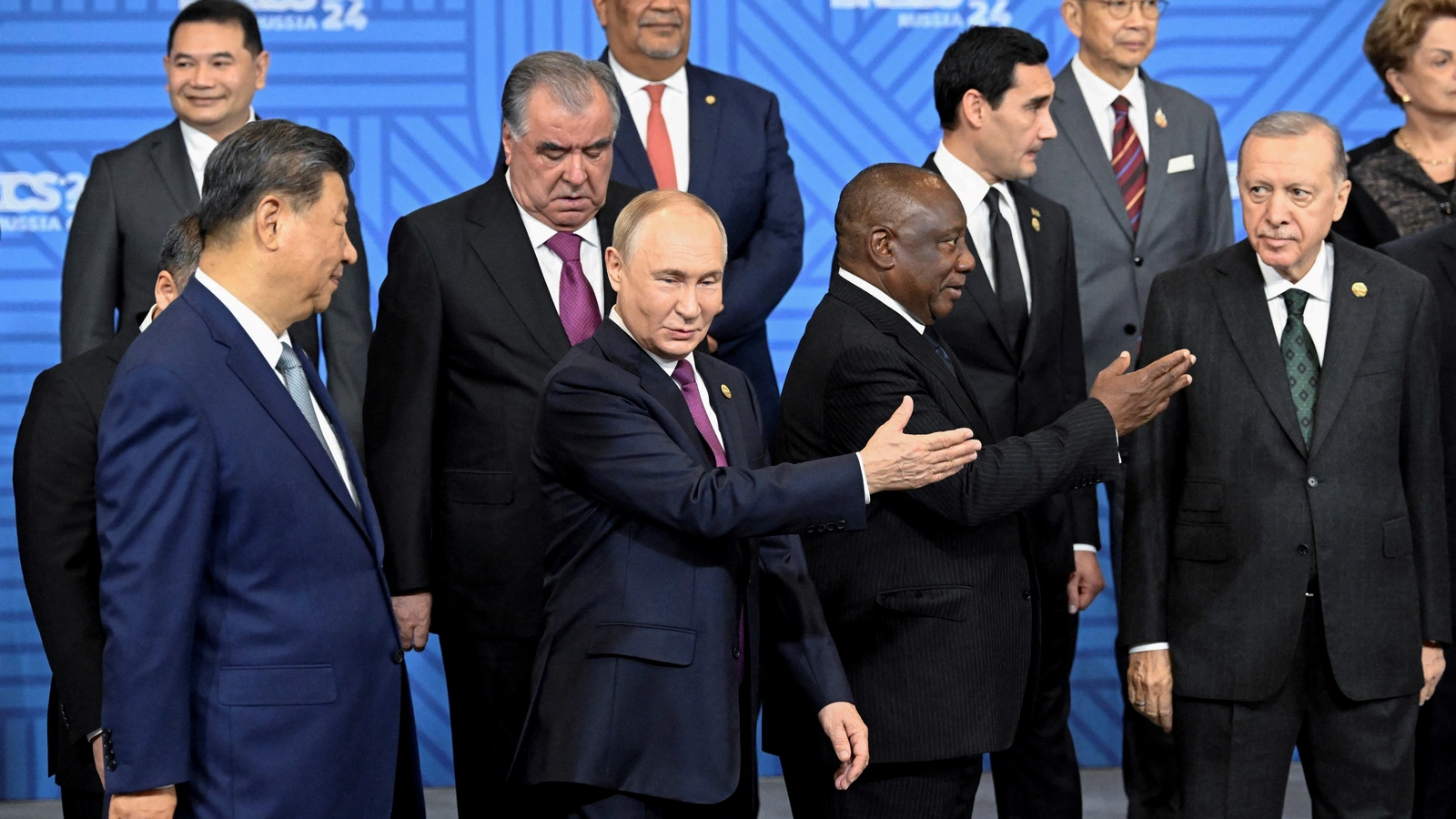
Those who still interpret Africa through outdated lenses are missing the direction of history. The new world order is not a slogan. It is an unfolding reality. Power is becoming more diffused. Voices long excluded are becoming indispensable. The Global South is no longer merely a category of grievance; it is becoming a force of proposition, negotiation and transformation. Within that shift, Africa occupies a strategic and civilizational position that can no longer be dismissed.
It is therefore unsurprising, though still revealing, that the United States stood alone in opposing the resolution. Under Donald Trump, such opposition fits neatly within the logic of an “America First” posture that has little to do with fairness and much to do with preserving habits of dominance. When a country claims leadership yet resists even a symbolic correction that restores truth to the representation of an entire continent, it exposes the limits of its moral argument. One cannot preach democracy and equality while rejecting a measure designed to make the world see Africa as it truly is.
But let us be clear: this opposition does not stop Africa. It does not intimidate Africa. It does not reverse history.
If anything, it adds fuel to Africa’s determination.
For every attempt to deny Africa’s rightful place, there is a new generation of Africans more prepared, more educated, more connected and more resolved to claim it. For every old reflex of exclusion, there is a rising continental consciousness that knows the age of silence has passed. Africa’s voice has too often been omitted from major global decisions, or included only as an afterthought. Yet the cumulative force of present realities is changing that equation. Africa is not asking for permission to matter. Africa matters already.
The significance of this UN decision also lies in the message it sends to African peoples themselves. It tells African children that the world they are inheriting need not repeat every falsehood of the one before it. It tells African intellectuals, diplomats and institutions that persistence can yield results. It tells the international community that symbolic justice is not superficial; it is part of the deeper work of historical repair. When the image of the world changes, the psychology of the world can begin to change with it.
There is also a lesson here for global governance. Multilateralism has value only if it is capable of correcting inherited imbalances. A multilateral world that leaves Africa underrepresented, underestimated and unheard would merely reproduce inequality in a more polite vocabulary. But a multilateral world that listens to African concerns, recognizes African agency and accepts African leadership can become something genuinely new. This vote suggests that such a possibility is not utopian. It is emerging.
Africa’s rise will not be granted as a gift. It will be built through strategy, unity, knowledge production, institutional strength and political confidence. It will require Africans to continue pushing for reforms not only in symbolic representation but also in international finance, trade, security architecture, media narratives and decision-making bodies. The map has begun to change; the structures of power must follow.
What happened at the United Nations should therefore be celebrated, but also understood as a beginning rather than an endpoint. Africa has won an important moral and political recognition. Now it must convert that recognition into further influence. The continent must continue to demand fair representation in all spheres where global futures are negotiated. If the world can finally admit that Africa has long been made to look smaller than it is, then it must also confront the wider truth: Africa has long been treated as less important than it is.
That era is ending.
A continent once minimized is standing upright before the world. Its size, its dignity, its intelligence and its destiny can no longer be compressed into the narrow frames of an unjust past. The UN vote is a victory for cartographic truth, but even more, it is a victory for historical truth. Africa is rising. Its people are rising with it. And no resistance from the custodians of the old order will stop that ascent.
Dr. TALING T. RODRIGUE, Cameroon Director of the Centre for African Film and TV Studies Deputy Director of the Centre for Francophone African Studies at Zhejiang Normal University

Share the Joy:

THE BEST STORIES INBOX!

Join our global community of readers who seek to understand the evolving dynamics between China & Africa. Let's see the world from the Global South's perspective.

NEWS-LETTER

Sign up to receive awesome contents inbox.

We don’t spam! Read our privacy policy .

SinAfricaNews: A Sino-African Narrative of the world !

September 15, 2026 6:23 am,Tuesday (GMT+1)

You must LOG IN first!